
What to Look for in an Experiential Design Firm in 2026
As brands lean harder into immersive marketing, not every experiential design firm has the strategy, craft, and technical know-how to turn a concept into a space that actually performs. Here's what separates the partners who just build impressive environments from those who build experiences people remember.
August 20, 2026

Brian Chapin
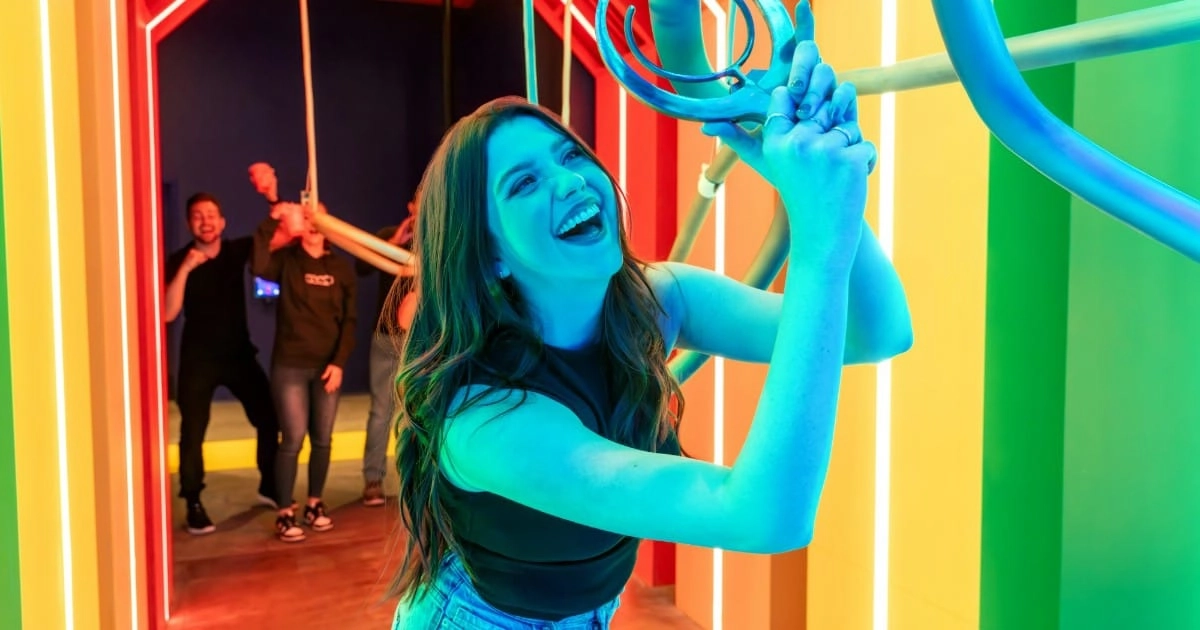
In an era where consumers crave authentic interactions and memorable experiences, brands are increasingly turning to experiential marketing to stand out. From immersive product launches and trade show exhibits to pop-up activations and branded environments, experiential design has become a powerful tool for building engagement and brand loyalty.
However, not all experiential design companies are equipped to deliver these experiences effectively. Choosing the right experiential design firm can make the difference between a campaign that captures attention and one that creates a lasting impact. As brands continue to prioritize immersive marketing strategies in 2026, understanding what to look for in a partner is more important than ever.
Why Experiential Design Matters
Experiential design focuses on creating environments that allow audiences to engage with a brand through direct interaction. Rather than relying solely on traditional advertising, experiential campaigns invite consumers to participate in a brand story.
Today's audiences are inundated with digital content, making it increasingly difficult for brands to earn attention. Experiential design provides an opportunity to create meaningful, real-world interactions that foster emotional connections and improve brand recall.
Leading experiential design companies understand how to blend strategy, creativity, and execution to transform ordinary spaces into memorable brand experiences.
The Role of Graphic Design in Physical Environments
While graphic design is often associated with digital marketing and print materials, it plays an equally important role in experiential environments.
Strong environmental graphics help reinforce brand identity, guide visitors through a space, and communicate key messages. The best experiential graphic design firms understand how to adapt visual branding elements into large-scale physical environments that feel cohesive and engaging.
From custom signage and wayfinding systems to interactive displays and branded installations, graphic design serves as the visual foundation of an immersive experience.
Multi-Sensory Experiences Create Stronger Connections
One of the defining characteristics of successful experiential campaigns is their ability to engage multiple senses.
Consumers are more likely to remember experiences that involve sight, sound, touch, and even scent. A thoughtfully designed environment can create emotional responses that traditional advertising simply cannot replicate.
When evaluating experiential design firms, look for teams that consider every aspect of the visitor journey. Lighting, audio, textures, spatial design, and interactive elements should work together to support the overall brand message.
The goal is not simply to create a visually appealing space but to create an experience that leaves a lasting impression.
Understanding Audience Psychology
Effective experiential design is rooted in understanding human behavior.
A skilled experiential design firm doesn't just build beautiful environments—they design experiences based on how people think, move, interact, and engage. Audience psychology influences everything from layout and traffic flow to content placement and interaction points.
The most successful activations are strategically designed to encourage exploration, participation, and social sharing. By understanding audience motivations and behaviors, experiential design companies can create environments that drive deeper engagement and stronger emotional connections.
Storytelling Through Immersive Environments
Every great brand has a story, and experiential design provides a powerful platform for bringing that story to life.
Rather than presenting information through static advertisements, immersive environments allow consumers to experience a narrative firsthand. Whether it's a product launch, brand activation, or trade show exhibit, storytelling helps create context and meaning around a brand's message.
Top experiential design firms focus on creating a journey for attendees. Each touchpoint should contribute to a larger narrative that reinforces the brand's values, mission, and personality.
Digital and AR Integrations Are Becoming Essential
As technology continues to evolve, digital integration is becoming a key component of experiential design.
Many modern activations now incorporate interactive displays, touchscreens, QR-based experiences, and augmented reality (AR) features that blend physical and digital engagement. These tools not only increase interaction but also provide valuable opportunities for data collection and audience insights.
When evaluating an experiential design firm, consider their ability to integrate technology seamlessly into the experience rather than using it as a standalone feature.
Optimizing Event Spaces for Maximum Engagement
Even the most creative concepts can fall short if the physical space is not utilized effectively.
Experienced experiential design firms understand how to optimize layouts to maximize traffic flow, visibility, engagement, and accessibility. Every square foot should serve a purpose, whether it's drawing attention, encouraging participation, or facilitating conversations.
Effective space planning can significantly improve attendee experiences while helping brands achieve their campaign objectives.
Consistency Across Campaigns and Channels
One of the most important factors in experiential marketing success is consistency.
Consumers should encounter the same brand identity, messaging, and overall experience whether they're attending an event, visiting a website, engaging on social media, or interacting with a digital campaign.
The best experiential design companies create integrated experiences that align with broader marketing initiatives. This consistency strengthens brand recognition, reinforces messaging, and helps maximize the impact of each campaign.
Choosing the Right Partner
As experiential marketing continues to grow in 2026, brands need partners who understand how to combine strategy, creativity, technology, and fabrication into seamless experiences.
The right experiential design firm will do more than create visually impressive environments. They will design experiences that engage audiences, tell compelling stories, encourage interaction, and strengthen long-term brand relationships.
By prioritizing audience psychology, multi-sensory engagement, immersive storytelling, and consistent brand execution, businesses can create memorable experiences that leave a lasting impact long after the event ends.
Production Theory Is Built to Build Better
Choosing the right experiential design firm comes down to one question: can they turn strategy and storytelling into something people can actually walk into? A firm can talk about audience psychology, multi-sensory design, and seamless tech integration — but none of that matters if the end result doesn't hold up.
At Production Theory, we design and build environments that do exactly what they're meant to do: guide movement, reinforce brand identity, and create moments worth remembering. Every project moves through intentional design, detailed visualization, and hands-on technical development, with layout, materials, lighting, structural integrity, and technology considered together from the start — not added on afterward. That's what turns a strong concept into a space that performs the way it was designed to.
From the first sketch to the final walk-through, our focus stays the same: protect the story you're trying to tell and deliver an experiential environment that's built to engage, not just built to impress.
Have an experience worth bringing to life? Reach out to us and let's build it right.
Brian Chapin
SEE MORE ABOUT AUTHOR



Follow Us

