
Why Brand Storytelling Drives Better Experiential Marketing Results
Stunning visuals and cutting-edge technology can grab attention, but it's the story behind an experience that makes people feel something. Here's why the most memorable experiential campaigns are built on authentic brand storytelling — and how it drives deeper engagement, social sharing, and lasting loyalty.
August 25, 2026

Brian Chapin
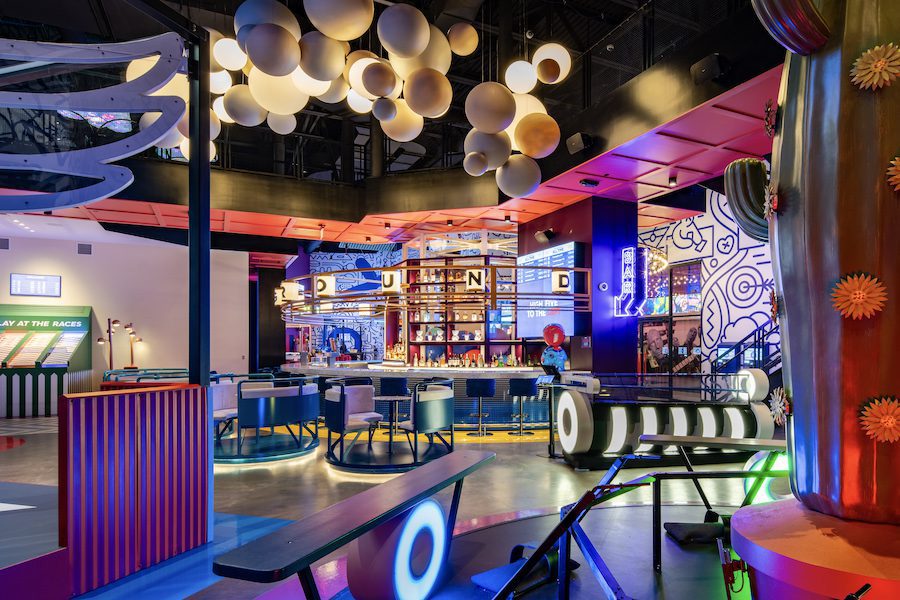
Experiential marketing has evolved far beyond handing out promotional items or creating an eye-catching booth. Today's audiences want authentic, memorable interactions that make them feel connected to a brand. That's why partnering with a brand storytelling company has become one of the most effective ways to transform live events into meaningful experiences that leave a lasting impression.
At Production Theory, we believe every successful experiential campaign begins with a compelling story. While stunning visuals and innovative technology attract attention, it's the narrative behind the experience that creates emotional connections, inspires action, and builds long-term brand loyalty.
Storytelling Creates Emotional Connections
Consumers are exposed to thousands of marketing messages every day. Most are quickly forgotten. The brands people remember are the ones that make them feel something.
A skilled creative storytelling company doesn't simply promote products or services—it uncovers the "why" behind a brand. Whether it's highlighting a company's mission, celebrating customer success, or demonstrating innovation, storytelling turns ordinary marketing into memorable moments.
When attendees experience a story rather than a sales pitch, they become active participants instead of passive observers. That emotional investment often leads to stronger brand recall, increased engagement, and higher conversion rates long after the event has ended.
Experiences Need More Than Great Design
Creative event design is essential, but without a clear narrative, even the most impressive activation can feel disconnected.
Every element of an experiential design should support the larger story, including:
- Event environment and scenic design
- Interactive technology
- Product demonstrations
- Staff messaging
- Digital content and social media integration
- Follow-up marketing after the event
A brand storytelling company helps ensure these touchpoints work together instead of competing for attention. The result is a seamless experience that feels intentional from beginning to end.
Storytelling Makes Brands More Memorable
People naturally remember stories better than isolated facts or statistics. Research has consistently shown that narratives improve information retention because they engage multiple areas of the brain while creating emotional context.
Rather than asking attendees to remember product specifications or marketing slogans, experiential campaigns should guide them through a journey.
For example, instead of simply showcasing a new product, a brand activation might demonstrate the customer challenge, reveal the innovation behind the solution, and conclude with a hands-on experience that allows attendees to imagine the product improving their own lives.
This storytelling approach transforms information into an experience worth sharing.
Authentic Stories Inspire Social Sharing
Today's experiential events don't end when attendees leave the venue. Guests immediately share photos, videos, and reactions across social media, extending the campaign's reach well beyond the event itself.
The most successful activations are designed with shareability in mind - not just visually, but emotionally.
When people connect with a meaningful story, they're more likely to:
- Post about the experience
- Recommend the brand to others
- Create user-generated content
- Continue engaging with the brand after the event
- Return for future experiences
Story-driven campaigns generate organic conversations because people enjoy sharing experiences that resonate with them on a personal level.
Strong Stories Build Consistency Across Every Channel
Experiential marketing works best when it supports an organization's larger marketing strategy.
A trusted brand storytelling campaign ensures that the narrative introduced during a live event carries through every customer touchpoint, including digital advertising, social media campaigns, website content, email marketing, and future activations.
This consistency reinforces brand identity and creates a cohesive customer journey. Rather than feeling like a standalone event, each experience becomes part of a larger conversation that strengthens recognition and trust over time.
Production Theory Brings Stories to Life
We believe unforgettable experiences begin with authentic storytelling. Our team combines strategic thinking, creative design, production expertise, and immersive technology to build experiential designs that do more than capture attention - they create genuine human connections.
As a leader in brand storytelling and experiential marketing, we help businesses uncover the stories that define their brand and transform those narratives into engaging live experiences audiences remember long after the event ends.
If you're looking for an experiential design firm that understands how to blend strategy, creativity, and brand storytelling, Production Theory is ready to help you create experiences that inspire action, build loyalty, and deliver measurable marketing results.
Brian Chapin
SEE MORE ABOUT AUTHOR



Follow Us

